


How Often Should You Get Your Teeth Professionally Cleaned?
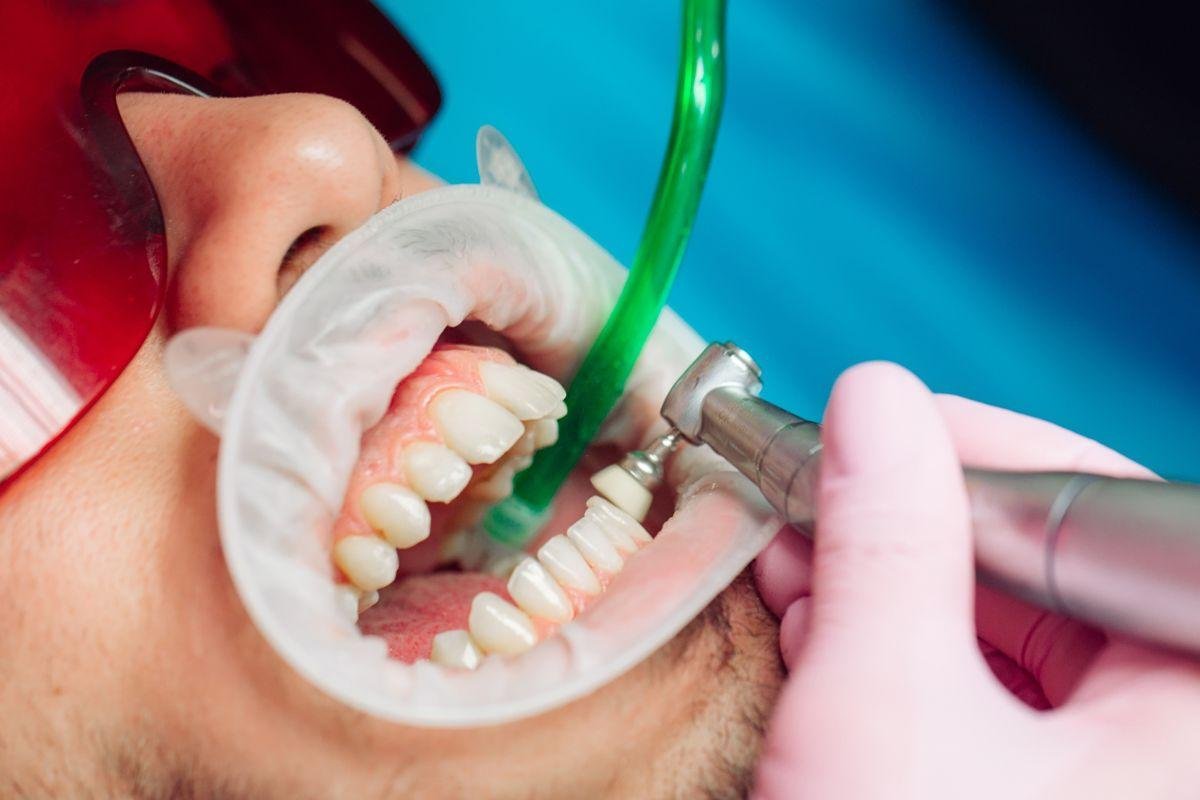
Maintaining a healthy smile goes far beyond daily brushing and flossing. While good home care is essential, professional maintenance plays an equally important role. One of the most effective preventive dental treatments is Teeth Cleaning, which helps remove plaque, tartar, and stains that cannot be eliminated through regular oral hygiene.
But how often should you actually schedule a professional cleaning? The answer depends on your oral health, lifestyle, and risk factors—but for most people, there is a general guideline that dentists recommend.
What Is Professional Teeth Cleaning?
Teeth Cleaning is a preventive dental procedure performed by a dental professional to remove plaque and hardened tartar (calculus) from the teeth and gumline. It also helps polish the teeth, improve oral hygiene, and reduce the risk of gum disease and cavities.
A typical professional cleaning may include:
-
Scaling to remove plaque and tartar
-
Polishing to remove surface stains
-
Flossing between teeth
-
Examination of gums and overall oral health
-
Fluoride treatment (in some cases)
Unlike at-home brushing, professional cleaning reaches areas that are difficult to clean on your own.
The General Rule: Every 6 Months
For most people, dentists recommend getting Teeth Cleaning every six months. This twice-a-year schedule is effective for maintaining oral health and preventing common dental problems.
Regular cleanings help:
-
Prevent gum disease
-
Reduce plaque buildup
-
Detect early signs of cavities
-
Maintain fresh breath
-
Keep teeth looking brighter and cleaner
This routine is considered the foundation of preventive dental care.
When You May Need More Frequent Cleanings
While twice a year works for many individuals, some people may require more frequent visits depending on their oral health condition.
Gum Disease or Gingivitis
Patients with gum disease may need cleanings every 3 to 4 months to control infection and prevent progression.
Heavy Plaque or Tartar Buildup
Some individuals naturally accumulate plaque faster, especially if oral hygiene habits are inconsistent or difficult to maintain.
Smokers or Tobacco Users
Smoking increases the risk of gum disease and staining, making more frequent professional cleanings necessary.
Diabetes or Medical Conditions
Certain health conditions can affect oral health and immune response, requiring closer dental monitoring.
History of Dental Issues
Patients with frequent cavities, past gum disease, or extensive dental work may benefit from more regular cleanings.
Signs You May Need a Teeth Cleaning Sooner
Even if you're following a regular schedule, your mouth may signal that it's time for an earlier appointment.
Look out for:
-
Bleeding gums while brushing or flossing
-
Persistent bad breath
-
Yellow or brown buildup on teeth
-
Gum swelling or tenderness
-
A sticky or rough feeling on teeth
-
Increased tooth sensitivity
These symptoms often indicate plaque or tartar buildup that requires professional attention.
Why Regular Teeth Cleaning Is Important
Consistent Teeth Cleaning is not just about aesthetics—it plays a crucial role in long-term oral health.
Prevents Gum Disease
Plaque buildup can lead to gingivitis and periodontitis if left untreated. Regular cleanings help keep gums healthy and inflammation-free.
Reduces Risk of Cavities
Removing plaque and bacteria reduces acid production, which helps prevent tooth decay.
Improves Overall Health
Oral health is closely linked to overall health. Maintaining clean teeth and gums may help reduce risks associated with systemic conditions.
Enhances Appearance
Professional cleaning removes surface stains caused by coffee, tea, and other foods, helping maintain a brighter smile.
What Happens If You Skip Regular Cleanings?
Delaying professional dental cleanings can lead to several oral health issues over time, including:
-
Tartar buildup that cannot be removed at home
-
Gum inflammation and bleeding
-
Bad breath
-
Tooth decay
-
Advanced gum disease
-
Potential tooth loss in severe cases
What starts as minor plaque buildup can become a serious dental problem if ignored.
Tips to Maintain Results Between Cleanings
To extend the benefits of professional Teeth Cleaning, follow these simple habits:
-
Brush twice daily using fluoride toothpaste
-
Floss at least once a day
-
Drink plenty of water
-
Limit sugary and acidic foods
-
Avoid smoking or tobacco use
-
Use an antibacterial mouthwash if recommended
Good daily care helps keep your mouth healthier between dental visits.
Is Professional Teeth Cleaning Painful?
For most people, teeth cleaning is a comfortable and painless procedure. Some may experience mild sensitivity, especially if there is significant tartar buildup or gum inflammation, but this is usually temporary.
Dental professionals ensure the process is gentle and tailored to patient comfort.
Conclusion
Regular Teeth Cleaning is one of the most effective ways to maintain a healthy, bright, and disease-free smile. While every six months is ideal for most people, some individuals may need more frequent visits depending on their oral health needs. Staying consistent with professional cleanings not only protects your teeth and gums but also supports overall well-being.
At Dent Heal, we are committed to helping patients achieve long-term oral health through preventive care and personalized dental solutions. With expert Teeth Cleaning services and a patient-focused approach, Dent Heal ensures your smile stays healthy, fresh, and confident all year round.

 Arabic
 French
 Spanish
 Portuguese
 Deutsch
 Turkish
 Dutch
Dutch
 Italiano
 Russian
 Romaian
 Portuguese (Brazil)
 Greek
Greek
