


Old Town Krakow Walking Tour for Architecture Lovers
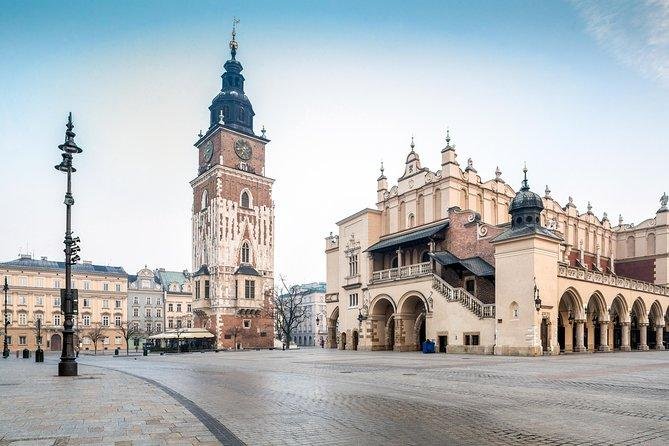
Krakow is one of Poland's most beautiful historic cities, offering an impressive combination of medieval streets, Gothic churches, Renaissance buildings, and elegant European squares. Its architectural heritage makes it an exciting destination for travellers who appreciate history, design, and cultural landmarks. For visitors exploring Central Europe, the city's historic centre provides an opportunity to experience centuries of European architecture within a relatively compact area. An Old Town Krakow walking tour is an excellent way to discover these remarkable surroundings, admire historic buildings, and understand how different architectural periods have shaped the city's identity.
Located in southern Poland, Krakow attracts visitors with its preserved medieval layout, impressive monuments, and distinctive urban atmosphere. Its Old Town is recognised as a UNESCO World Heritage Site, reflecting its outstanding historical and cultural importance. Architecture lovers can explore charming streets, impressive religious buildings, traditional townhouses, and grand public spaces while learning about the stories behind them.
For travellers from Athens, Greece, visiting Krakow offers an opportunity to experience a different European architectural tradition. While Athens is internationally recognised for its ancient Greek monuments, Krakow presents a fascinating combination of medieval, Gothic, Renaissance, and Baroque influences. Exploring the city on foot allows visitors to appreciate these details at a comfortable pace.
Discover the Architectural Heritage of Krakow Old Town
Krakow Old Town is one of Europe's most remarkable historic urban areas. Its streets preserve an architectural character that developed over several centuries, creating an environment where medieval structures stand alongside Renaissance and Baroque buildings.
The historic centre was established around a carefully organised medieval street layout. Its central marketplace, surrounding streets, and historic churches demonstrate how European towns developed during the Middle Ages. Many buildings still preserve original architectural elements, including decorative facades, stone details, traditional windows, and historic entrances.
Walking through the Old Town gives visitors a closer understanding of how Krakow evolved as an important political, commercial, and cultural centre. Merchants, craftsmen, religious communities, and royal residents all contributed to its architectural development.
For architecture enthusiasts, the appeal of the district lies in its variety. Every street reveals something different, from ornate religious structures to elegant residential buildings. A guided walking experience can provide valuable historical context, helping visitors recognise architectural details that might otherwise go unnoticed.
Explore the Historic Beauty of Main Market Square
Main Market Square, known locally as Rynek Główny, is the heart of Krakow's Old Town and one of the largest medieval town squares in Europe. Its impressive size, historic surroundings, and architectural landmarks make it an essential destination for anyone interested in European urban design.
The square has served as a central gathering place for centuries. Historically, it was an important location for trade, public celebrations, cultural events, and everyday social activities. Today, it continues to attract residents and international visitors.
The surrounding buildings showcase different architectural periods. Elegant townhouses feature decorative facades, colourful details, and traditional European design elements. Visitors can admire the relationship between the square's open layout and the historic structures surrounding it.
The square is particularly interesting because its architecture reflects Krakow's economic and cultural importance during earlier centuries. Travellers can observe how commercial buildings, religious landmarks, and civic structures were arranged around a central public space.
Spending time here provides an excellent introduction to Krakow's architectural identity before continuing towards the surrounding streets and monuments.
Admire the Gothic Architecture of St. Mary's Basilica
St. Mary's Basilica is one of the most recognisable landmarks in Krakow Old Town. Located beside Main Market Square, this impressive church is famous for its twin towers, Gothic architectural features, and beautifully decorated interior.
Its exterior immediately captures attention because the two towers have different heights and distinctive designs. The taller tower historically served as a watchtower, while the shorter one forms part of the church's architectural composition.
Inside, visitors can discover impressive artistic details, including the remarkable wooden altarpiece created by Veit Stoss. Its intricate carvings demonstrate the craftsmanship and religious artistic traditions of medieval Europe.
Architecture lovers will appreciate the building's pointed arches, vertical proportions, decorative elements, and carefully designed interior spaces. These features provide an excellent example of Gothic architecture in Poland.
The church also plays an important role in Krakow's cultural identity. Its famous trumpet call, traditionally performed from the taller tower, is one of the city's most recognisable traditions.
For visitors interested in historic religious architecture, St. Mary's Basilica is an unforgettable highlight.
Discover Renaissance Elegance at the Cloth Hall
The Cloth Hall, known as Sukiennice, stands in the centre of Main Market Square and represents an important part of Krakow's commercial history. Its architectural development reflects the city's prosperity during the Renaissance period.
Originally established as a centre for international trade, the building provided merchants with a place to exchange textiles, spices, and other valuable goods. Over time, it became one of the most recognisable architectural features of the square.
Its Renaissance-style exterior includes decorative details, elegant arches, and an attractive roofline. The building demonstrates how commercial architecture could combine practical purposes with artistic design.
Walking around the Cloth Hall allows visitors to appreciate its relationship with the surrounding townhouses and religious landmarks. The structure also provides an interesting contrast to the Gothic appearance of St. Mary's Basilica.
Inside, visitors can explore traditional market stalls and discover locally produced souvenirs. The upper floor houses a gallery of Polish art, offering another opportunity to experience the country's cultural heritage.
Walk Along Floriańska Street and Its Historic Buildings
Floriańska Street is one of the most famous streets in Krakow Old Town. It connects Main Market Square with St. Florian's Gate and forms part of the city's historic Royal Route.
The street is particularly appealing to architecture lovers because of its beautifully preserved townhouses, decorative entrances, and varied building facades. Many structures feature architectural elements that developed during different historical periods.
As visitors walk along the street, they can observe how medieval urban planning influenced the organisation of shops, residences, and public spaces. The narrow streets and traditional building arrangements create an atmosphere that feels closely connected to Krakow's past.
Floriańska Street is also an enjoyable place to discover local cafés, restaurants, galleries, and independent shops. These modern businesses operate within historic buildings, creating an interesting relationship between contemporary city life and traditional architecture.
For first-time visitors, this street offers a memorable introduction to the character of Krakow's historic centre.
Experience Medieval History at St. Florian's Gate and the Barbican
St. Florian's Gate is an important surviving element of Krakow's medieval defensive system. Historically, it formed part of the city's fortified entrance and protected the northern approach to the Old Town.
The structure dates back to the medieval period and demonstrates the importance of defensive architecture in European urban development. Its stone construction, distinctive design, and historic surroundings make it an interesting stop for architecture enthusiasts.
Nearby, the Krakow Barbican provides another impressive example of medieval military engineering. This circular fortified structure was designed to strengthen the city's defensive capabilities and protect its main entrance.
Its thick walls, defensive openings, and carefully planned structure illustrate how medieval communities responded to military threats. Visitors interested in historical construction methods can appreciate the practical design features that helped protect the city.
Together, St. Florian's Gate and the Barbican offer valuable insight into Krakow's former fortifications and the architectural priorities of medieval Poland.
Explore the Historic Architecture of Wawel Royal Castle
Wawel Royal Castle is one of Poland's most important historical landmarks and a major attraction for visitors exploring Krakow. Located on Wawel Hill near the Vistula River, the castle complex reflects the country's royal, political, and cultural history.
Its architecture combines Romanesque, Gothic, Renaissance, and other historical influences. This variety makes the complex particularly interesting for visitors who want to understand how architectural styles developed over different periods.
The Renaissance courtyard is among its most remarkable features. Elegant arcades, balanced proportions, and decorative details create an impressive architectural composition inspired by Italian Renaissance design.
The surrounding cathedral adds another important dimension to the complex. It features a mixture of architectural styles and has served as a significant location for Polish royal ceremonies and burials.
Although Wawel Hill requires additional exploration beyond the central Old Town streets, it is an essential destination for anyone interested in Krakow's architectural heritage.
Understand the Influence of Different Architectural Styles
One of the most interesting aspects of exploring Krakow is discovering how different architectural movements influenced the city's appearance. Its historic centre contains examples of Gothic, Renaissance, Baroque, and later European architectural traditions.
Gothic architecture is particularly visible in religious buildings, where pointed arches, tall towers, and vertical proportions create dramatic visual effects. St. Mary's Basilica provides an excellent example of these characteristics.
Renaissance architecture introduced a different approach, emphasising symmetry, balanced proportions, decorative facades, and classical influences. The Cloth Hall and Wawel Royal Castle demonstrate this architectural transformation.
Baroque influences can be found in several historic churches and religious buildings throughout the city. These structures often feature elaborate decoration, dramatic interiors, and artistic details designed to create a powerful visual experience.
Exploring these styles within one historic district helps visitors understand how Krakow developed over time. Rather than seeing individual buildings as separate attractions, travellers can appreciate the city as a living record of European architectural history.
Best Time to Enjoy a Walking Tour in Krakow
Choosing the right season can make a significant difference when exploring Krakow on foot. Spring is an attractive period because temperatures become milder, gardens begin to bloom, and outdoor sightseeing becomes more comfortable.
Summer is another popular season for international visitors. Longer daylight hours provide additional time to explore the Old Town, admire architectural details, and enjoy outdoor cafés. However, popular attractions can become crowded, particularly around Main Market Square.
Autumn offers pleasant sightseeing conditions and beautiful seasonal colours. The historic streets and surrounding parks create an attractive atmosphere for photography and relaxed exploration.
Winter provides a different experience. Krakow's historic buildings look particularly charming during the festive season, especially when Christmas decorations and seasonal markets transform Main Market Square. However, visitors should prepare for colder temperatures and potentially slippery streets.
Travellers from Athens should consider the difference between the Mediterranean climate of Greece and the colder continental conditions of southern Poland when preparing their clothing.
Photography Opportunities for Architecture Enthusiasts
Krakow Old Town offers excellent photography opportunities for visitors interested in architectural design. Its historic buildings, decorative facades, medieval streets, and impressive public spaces create a variety of subjects.
Main Market Square is particularly attractive for wide-angle photography because it provides views of several important landmarks within one location. Photographers can capture the Cloth Hall, St. Mary's Basilica, and surrounding townhouses in a single composition.
Floriańska Street is ideal for architectural street photography. Its historic facades, traditional shopfronts, and narrow urban perspective create interesting visual contrasts.
Wawel Castle provides opportunities to photograph Renaissance courtyards, historic walls, and panoramic views of the Vistula River.
Early morning is often a good time to photograph popular locations because the streets are generally quieter. Soft natural light can also help highlight decorative stonework, architectural textures, and building details.
Planning a Comfortable Walking Experience in Krakow
A successful walking experience requires comfortable preparation, particularly for visitors who want to explore several historic attractions in one day. Wearing supportive walking shoes is essential because the Old Town contains cobblestone streets and uneven surfaces.
Travellers should allow enough time to appreciate the architecture instead of rushing between landmarks. Many buildings contain interesting details that become more noticeable when visitors stop and examine their facades, entrances, and decorative features.
It is also useful to plan breaks around Main Market Square, where cafés and restaurants provide opportunities to enjoy Polish food and refreshments.
Visitors interested in learning more about the city's history may prefer a guided experience with an informed local guide. Historical explanations can help connect architectural features with important events and cultural developments.
Checking opening hours and entry arrangements for churches, museums, and the castle is also important. Some attractions may have restricted access during religious services or special events.
Conclusion
Krakow Old Town is an outstanding destination for architecture lovers who want to experience the historical beauty of Poland. From the Gothic towers of St. Mary's Basilica to the Renaissance elegance of the Cloth Hall and the impressive fortifications surrounding the medieval centre, every landmark reveals another part of the city's history.
Exploring Floriańska Street, Main Market Square, and Wawel Royal Castle provides a deeper understanding of how European architectural traditions developed across different centuries. Walking through these historic surroundings also allows visitors to appreciate the relationship between architecture, culture, and everyday city life.
For travellers from Athens, Greece, Krakow offers a fascinating opportunity to discover a different side of European heritage. A carefully planned walking experience makes it easier to appreciate the city's distinctive character, historical landmarks, and beautiful streets. About Town helps travellers discover memorable city experiences and explore destinations through their history, architecture, and cultural attractions.
Frequently Asked Questions
Is Krakow Old Town worth exploring for architecture lovers?
Yes, Krakow Old Town is an excellent destination for architecture enthusiasts. It features Gothic churches, Renaissance buildings, medieval townhouses, and historic fortifications within a compact area.
How long does a walking tour of Krakow Old Town take?
A basic walking experience generally takes two to three hours. Visitors who want to explore museums, churches, and Wawel Castle should allow additional time.
What are the main architectural attractions in Krakow?
Important attractions include St. Mary's Basilica, the Cloth Hall, Main Market Square, St. Florian's Gate, the Barbican, and Wawel Royal Castle.
When is the best time to explore Krakow on foot?
Spring and early autumn offer comfortable temperatures for walking. Summer provides longer daylight hours, while winter offers beautiful seasonal scenery.
Can visitors explore Krakow Old Town without a guide?
Yes, visitors can explore the historic centre independently. However, a knowledgeable guide can provide additional historical information and explain the architectural significance of important landmarks.
 Dutch
 English
 Arabic
 French
 Spanish
 Portuguese
 Deutsch
 Turkish
 Italiano
 Russian
 Romaian
 Portuguese (Brazil)
 Greek
