


Revolutionizing Content Delivery: The Global LTE & 5G Broadcast Market 2035
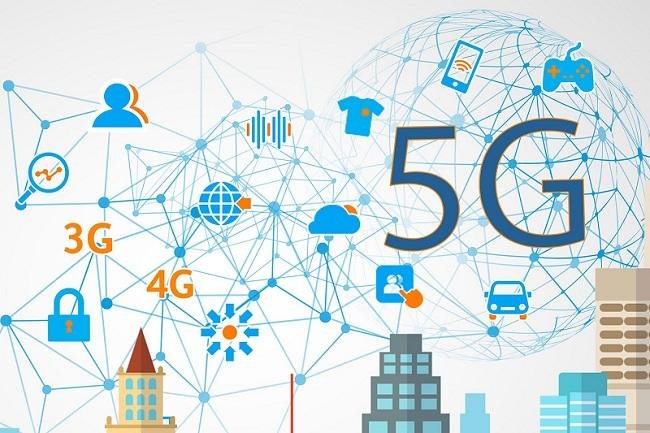
The Dawn of a New Broadcasting Era
The evolution of mobile communication has paved the way for transformative technologies, with Long-Term Evolution (LTE) and 5G broadcast capabilities standing at the forefront of this revolution. These technologies are set to redefine how content is delivered to a massive audience, shifting from traditional unicast streaming to a more efficient one-to-many broadcast model. This paradigm shift addresses the critical challenge of network congestion, especially during high-demand events like live sports, concerts, or emergency situations. The Lte & 5G Broadcast Market is not merely an incremental upgrade; it represents a fundamental change in network architecture, enabling mobile network operators (MNOs) and content providers to deliver high-quality, seamless video and data services to an unlimited number of recipients within a specific area without degrading network performance. As consumer demand for on-the-go, high-definition content continues to soar, the strategic importance of LTE and 5G broadcast solutions becomes increasingly evident, promising a future of unparalleled media consumption experiences and robust public communication systems. This market's trajectory is geared towards unlocking new revenue streams and enhancing operational efficiencies for stakeholders across the telecommunications and media industries.
Technological Foundations: From eMBMS to 5G-NR
The technological journey from LTE Broadcast, also known as Evolved Multimedia Broadcast Multicast Service (eMBMS), to the more advanced 5G New Radio (NR) broadcast is a story of continuous innovation. Initially, eMBMS laid the groundwork by demonstrating the feasibility of using cellular networks for broadcasting, primarily targeting applications like live video streaming and software updates. However, its adoption was hampered by a limited device ecosystem and complex deployment scenarios. The advent of 5G rectifies many of these limitations, introducing native support for broadcast and multicast functionalities within the 5G NR framework. This integration allows for greater flexibility, lower latency, and higher efficiency. 5G broadcast leverages techniques like mixed-mode operation (combining broadcast and unicast on the same spectrum) and dedicated broadcast spectrum, making it a more viable and powerful solution. The technology is designed to support a wider range of services beyond entertainment, including mission-critical communications, massive Internet of Things (IoT) data dissemination, and vehicular communications (V2X), thereby significantly expanding its addressable market and impact.
Key Applications Driving Market Adoption
The primary catalyst for the adoption of LTE and 5G broadcast technology is the insatiable global appetite for video content. Live event streaming, particularly for major sports championships and cultural festivals, represents a cornerstone application. By broadcasting the video feed to all users in a venue or city, operators can ensure a flawless, high-definition viewing experience without the buffering and network crashes associated with unicast streaming. Beyond live events, this technology is poised to revolutionize in-venue experiences, delivering exclusive content, multi-angle replays, and real-time stats to attendees' devices. Furthermore, public safety and emergency services are a critical application area. Government agencies can use 5G broadcast to send instant, reliable alerts, maps, and instructions to all citizens in an affected zone, bypassing congested networks during a crisis. This capability enhances situational awareness and response coordination, making it an indispensable tool for national and regional security.
Industry Verticals and Economic Impact
The influence of LTE and 5G broadcast extends across a diverse range of industry verticals, creating new business models and economic opportunities. In the media and entertainment sector, broadcasters and streaming platforms can significantly reduce their content delivery network (CDN) costs while improving quality of service. For stadium owners and event organizers, it unlocks new revenue streams through enhanced fan engagement and targeted advertising. The automotive industry is another key beneficiary, as 5G broadcast can facilitate the reliable delivery of software updates, high-definition maps, and entertainment content to vehicles, as well as enabling critical vehicle-to-everything (V2X) safety communications. For enterprises, the technology offers an efficient way to distribute corporate communications and training materials to a large workforce simultaneously. The cumulative economic impact is substantial, fostering innovation, improving efficiency, and creating a more connected and informed society.
Future Outlook and Strategic Imperatives
Looking toward 2035, the LTE & 5G broadcast market is projected to experience robust growth, driven by the widespread deployment of 5G networks and the increasing availability of compatible devices. The convergence of broadcasting and mobile telecommunications will become seamless, with hybrid models allowing users to switch effortlessly between broadcast and unicast services. Key strategic imperatives for stakeholders include fostering collaboration between MNOs, content creators, and device manufacturers to build a cohesive ecosystem. Standardization and spectrum allocation will also play a pivotal role in ensuring global interoperability and scalability. As the technology matures, we can expect to see the integration of advanced features like immersive augmented and virtual reality (AR/VR) experiences delivered via broadcast, further enriching the user experience. The journey towards a fully realized 5G broadcast world will require sustained investment and strategic planning, but the potential rewards in terms of enhanced connectivity and new services are immense.
➤ In-Depth Market Studies by Market Research Future:

 English
 Arabic
 Spanish
 Portuguese
 Deutsch
 Turkish
 Dutch
 Italiano
 Russian
 Romaian
 Portuguese (Brazil)
 Greek
