


Self Ink Stamps for Easy and Efficient Everyday Use
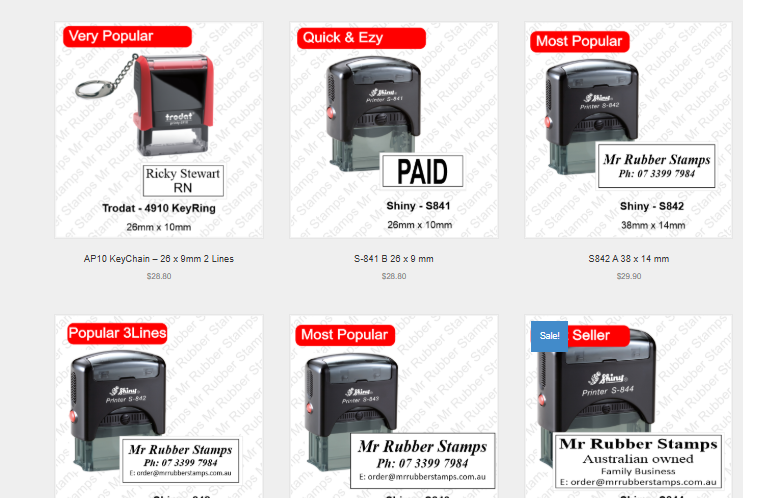
Self Ink Stamps: Making Everyday Stamping Simple and Efficient
Rubber stamps continue to be useful in offices, businesses, organisations and homes where the same information needs to be applied repeatedly. Whether it is a business name, address, approval wording or other standard details, a suitable stamp can make routine paperwork faster and more consistent.
Among the different types available, Self Ink Stamps are particularly convenient. Their integrated ink pad eliminates the need to use a separate ink pad for every impression, making them a practical choice for frequent stamping tasks.
What Are Self Ink Stamps?
Self-inking stamps are rubber stamps designed with an internal ink pad. When the stamp is pressed down, the rubber die makes contact with the surface and creates an impression. As the mechanism returns to its position, the die is automatically re-inked.
This simple mechanism makes self-inking stamps easy to operate. Instead of picking up a separate ink pad and carefully positioning the rubber stamp, users can simply press the stamp onto the required surface.
They are available in different sizes and can be customised for a variety of applications.
Why Use a Self-Inking Stamp?
The main benefit of a self-inking design is convenience. For anyone who needs to stamp the same information repeatedly, removing the separate ink-pad step can make the process more efficient.
Some practical advantages include:
- Easy operation: Press and release the stamp to create an impression.
- Built-in ink pad: The ink supply is incorporated into the stamp.
- Consistent stamping: A properly maintained stamp can produce clear, repeatable impressions.
- Compact format: The all-in-one design is convenient for desks and workstations.
- Suitable for repeated use: Useful when the same wording or details are stamped regularly.
- Less handling: There is no need to repeatedly pick up a separate ink pad.
The best option still depends on the intended application, but self-inking models can be an excellent fit for everyday administrative work.
Common Uses for Self Ink Stamps
A customised rubber stamp can serve many purposes. The exact wording depends on what information needs to be reproduced.
Business Details
Businesses can use customised stamps to add standard information such as a company name, address or contact details to suitable documents.
Office Administration
Self-inking stamps can help with repetitive administrative tasks where standard wording needs to be applied consistently.
Address Stamping
A stamp containing an address can save time when the same address needs to be added to envelopes or paperwork regularly.
Organisational Use
Clubs, associations and other organisations may use rubber stamps for routine documentation and identification purposes.
Repetitive Paperwork
Any task involving the repeated application of the same information may benefit from a suitable self-inking stamp.
Choosing the Right Self-Inking Stamp Size
Stamp size should be based on the information that needs to appear in the impression. A short name or simple phrase may fit comfortably on a compact stamp, while several lines of text may require a larger format.
Before selecting a stamp, consider:
- The amount of text required
- Number of lines
- Whether a logo is included
- Available space on the document
- How frequently the stamp will be used
- The desired impression size
Trying to place too much information into a small stamping area can affect readability. A well-planned layout is usually more useful than simply choosing the smallest available option.
Self-Inking vs Traditional Rubber Stamps
Self-inking and traditional rubber stamps are both useful, but they work differently.
A self-inking stamp contains its own ink pad, making it convenient for repeated stamping. A traditional rubber stamp requires a separate ink pad, but this arrangement can provide greater flexibility when different ink colours or specialised inks are needed.
For routine office applications, a self-inking stamp can be a convenient choice. Traditional stamps may be preferable when users need more flexibility with inks or stamping techniques.
The right choice comes down to the job, frequency of use and the type of impression required.
What Should You Look for in a Quality Rubber Stamp?
A good rubber stamp should be designed for its intended use and produce a clear, readable impression when used correctly.
Several factors can influence the result, including:
- Quality of the rubber die
- Construction of the stamp mechanism
- Ink quality
- Correct stamp size
- Accuracy of the artwork or text
- Manufacturing quality
It is important to check spelling, numbers and other details before a customised stamp is produced. Small errors in the original design can become repetitive problems when the stamp is used regularly.
Tips for Clear and Consistent Impressions
Correct use and basic care can help maintain good stamping results.
Use a Flat Surface
Place the material on a reasonably flat and stable surface. Uneven surfaces can make it difficult for the entire stamping area to contact the paper properly.
Apply Even Pressure
Press the stamp down steadily rather than moving it during the impression. This helps the complete design transfer onto the surface.
Keep the Stamp Clean
Dust, excess ink and paper fibres can accumulate around the stamping area over time. Keeping the stamp clean can help maintain clarity.
Store It Properly
When not in use, keep the stamp in a suitable location where it will not be unnecessarily damaged or exposed to conditions that could affect the mechanism or ink.
Pay Attention to Ink Levels
If impressions become noticeably lighter, the internal ink supply may need attention. Following the manufacturer's guidance for the particular stamp can help maintain performance.
Why Experience Matters When Ordering Custom Stamps
Custom rubber stamps need to be produced accurately because the final impression represents the information supplied by the customer. Choosing an experienced supplier can therefore be useful, particularly when ordering different stamp sizes or types.
Mr Rubber Stamps is a privately owned and operated Australian rubber stamp business with 20 years of experience producing and supplying rubber stamps to the Australian market. The business uses Trodat and Colop self-inking and traditional stamps and offers different sizes for self-inking stamps, traditional stamps, date stamps and common seals.
Its rubber stamps are produced on site by Quick Ezy Stamps, allowing the business to maintain control over its production process and focus on quality and customer service.
Finding a Stamp That Fits Your Needs
There is no single stamp design that is right for every application. The most suitable option depends on the wording, size, frequency of use and type of material being stamped.
Before ordering, take time to review the required text and consider where the stamp will be used. A clear design and appropriate size can make everyday stamping much more straightforward.
For those looking to compare available options and learn more about Self Ink Stamps, product information is available at https://www.mrrubberstamps.com.au/products/self-inking-stamps
A well-chosen self-inking stamp can simplify repetitive tasks while providing a practical and consistent way to handle everyday stamping requirements.
Frequently Asked Questions
1. What are Self Ink Stamps?
Self Ink Stamps are rubber stamps with an integrated ink pad. The built-in mechanism automatically re-inks the rubber die after each impression, making the stamp convenient for repeated use.
2. Do self-inking stamps require a separate ink pad?
No. The ink pad is built into the self-inking stamp, so users do not normally need to use a separate pad for everyday stamping.
3. What can be included on a customised stamp?
Depending on the available stamping area, a stamp may include names, addresses, business details, standard wording, dates or other suitable information.
4. How do I choose the correct stamp size?
Consider the amount of information that needs to appear, the number of lines, available space and whether a logo or other design element is required. More detailed information generally needs a larger stamp area.
5. Are self-inking stamps suitable for frequent use?
Yes. Their built-in ink mechanism and simple press-and-release operation make them a practical option for tasks where the same information needs to be stamped repeatedly.
 Portuguese
 English
 Arabic
 French
 Spanish
 Deutsch
 Turkish
 Dutch
Dutch
 Italiano
 Russian
 Romaian
 Portuguese (Brazil)
 Greek
Greek
