


How Businesses Can Manage Common Pest Problems
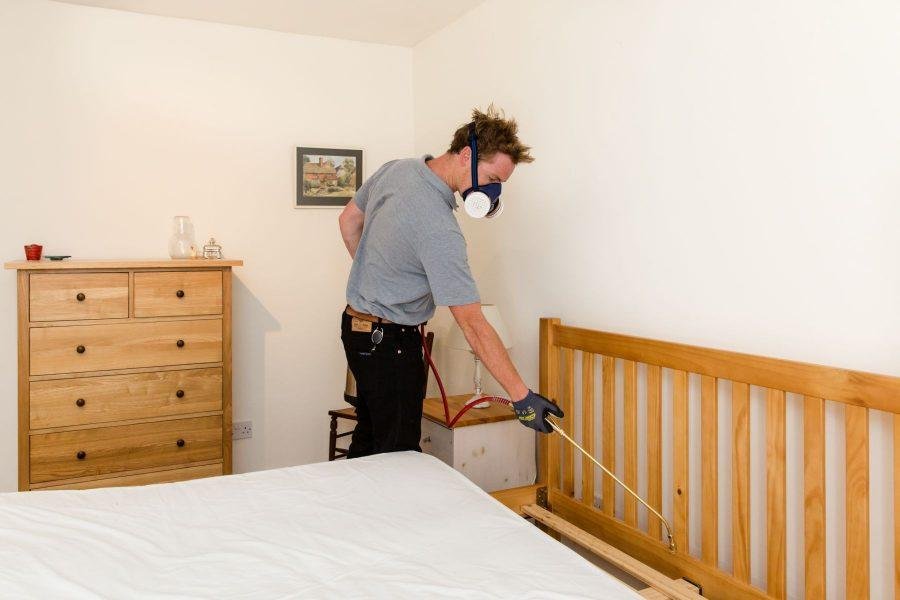
Protecting Commercial Spaces From Pests
Pest problems can create serious challenges for businesses, especially when insects or other unwanted visitors appear in customer-facing or food-handling areas. Hotels, restaurants, offices, warehouses, apartment buildings, and other commercial properties all have different conditions that may attract pests.
A prompt response can help prevent an isolated issue from becoming widespread. Regular inspections and practical prevention measures can also make it easier to identify activity before it significantly interferes with normal business operations.
Why Bed Bugs Require Quick Attention
Bed bugs are particularly troublesome because they can hide in mattresses, furniture, cracks, upholstery, and other sheltered locations. In commercial environments, they may spread through rooms or units when activity is not identified early.
Hotels and multifamily properties can be especially concerned because guests or residents may unknowingly carry bed bugs from one location to another. Businesses should pay attention to signs such as small dark marks, shed skins, eggs, or live insects around sleeping and resting areas.
Professional Commercial Bedbug Removal Services Raleigh NC can help businesses address suspected infestations through a structured inspection and treatment process. A professional assessment can also help determine which areas require attention and whether additional measures are needed.
Identifying Conditions That Attract Pests
Different pests are attracted by different environmental conditions. Food debris, standing water, accessible garbage, moisture, clutter, and structural gaps can all contribute to pest activity.
Commercial kitchens should receive particular attention because food preparation creates numerous potential food sources. Storage areas, waste containers, drains, and equipment spaces should be kept clean and monitored regularly.
Buildings should also be inspected for gaps around doors, windows, utility lines, vents, and foundations. Sealing suitable entry points can reduce opportunities for insects and rodents to enter after treatment.
Protecting Structures From Termites
Termites can be especially concerning because their activity may remain hidden for extended periods. They feed on cellulose-based materials and may affect structural wood, framing, flooring, and other wooden components.
Warning signs can include damaged wood, discarded wings, mud tubes, or evidence of insect activity near vulnerable areas. However, the absence of visible signs does not necessarily mean that termites are absent.
Termite Exterminators Services can provide professional evaluation when termite activity is suspected. Depending on the property and findings, treatment may involve targeted applications, monitoring, or other appropriate control measures.
Maintaining a Strong Prevention Routine
Pest management should not stop immediately after an infestation has been treated. Commercial properties benefit from ongoing attention because new pests can enter through doors, shipments, employees, customers, landscaping, or neighboring structures.
Routine inspections can help identify developing activity before it becomes extensive. Keeping records of previous pest sightings and treatments may also help property managers recognize recurring patterns.
Sanitation plays an important role as well. Food should be stored appropriately, spills should be cleaned promptly, and trash should be handled consistently. Reducing clutter can also make hidden areas easier to inspect.
Working Around Business Operations
Commercial pest treatment often needs to be planned around normal business activity. Restaurants, hotels, offices, and other facilities may need service scheduled during quieter periods to reduce disruption.
A professional technician can assess the property and discuss practical preparation steps before treatment. Depending on the situation, certain rooms or areas may need to remain temporarily inaccessible while work is completed.
Clear communication between property managers, employees, tenants, and pest professionals can make the process more organized and help ensure that recommended follow-up measures are completed.
Why Ongoing Monitoring Matters
A single treatment may address an immediate problem, but monitoring can provide additional protection against recurring activity. Regular inspections allow businesses to respond when early signs appear instead of waiting until pests become highly noticeable.
Monitoring is particularly useful for larger facilities with multiple rooms, storage areas, entrances, or separate units. Identifying activity in one location can prompt a broader review before the problem spreads.
Creating a Cleaner Commercial Environment
Effective pest management combines treatment with prevention, sanitation, maintenance, and regular observation. Businesses that respond quickly to warning signs can reduce the chance of pests becoming a larger operational concern.
By maintaining clean facilities, addressing moisture and entry points, arranging professional inspections, and following recommended prevention practices, property owners and managers can create a more comfortable environment for employees, customers, guests, and residents while protecting the condition of the facility.
 Italiano
 English
 Arabic
 French
 Spanish
 Portuguese
 Deutsch
 Turkish
 Dutch
 Russian
 Romaian
 Portuguese (Brazil)
 Greek
