


What Every Researcher Should Know About Indexed Journal Publishing
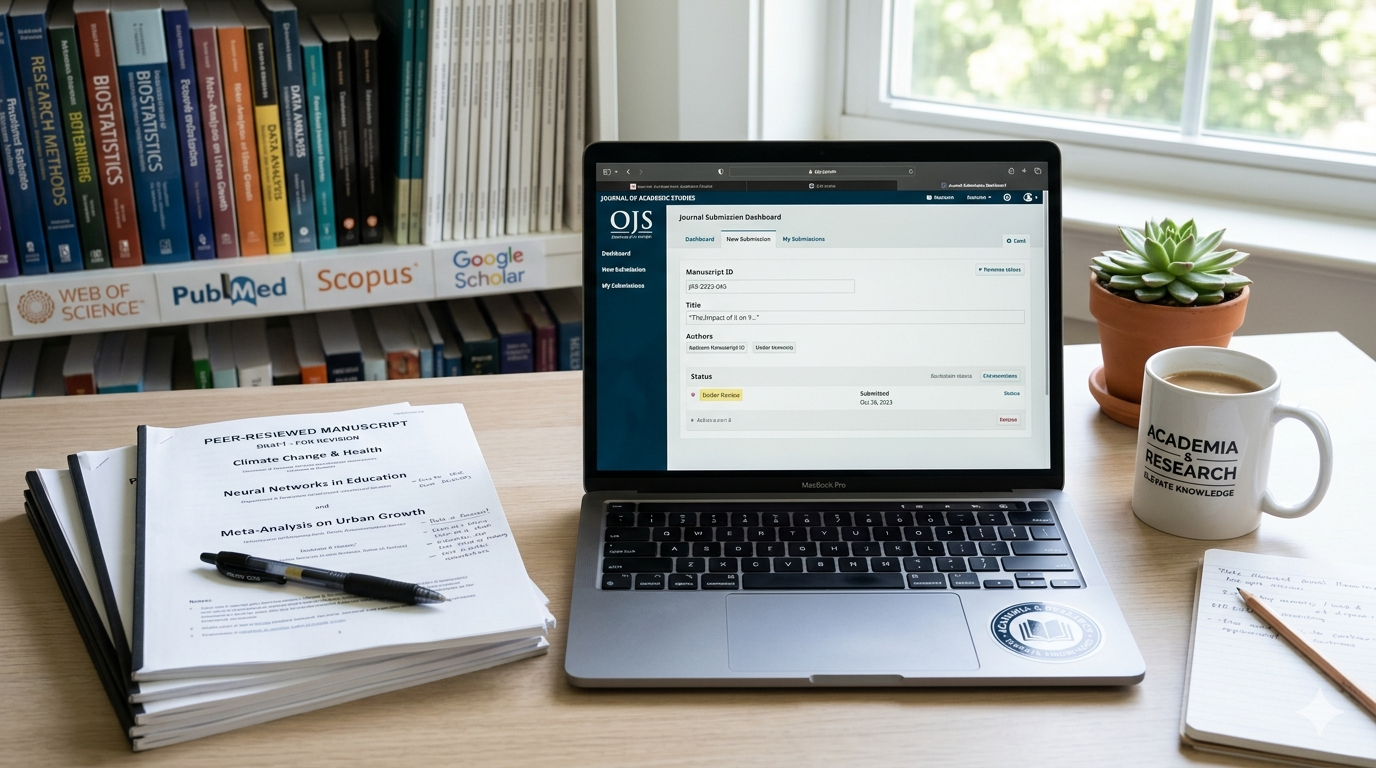
Publishing research feels like climbing a steep mountain. You collect data, run experiments, and draft a manuscript. Then comes the part that trips up many early career scholars. You need to find the right home for your work. Indexed journal publishing separates solid academic work from noise. The process demands patience, strategy, and a clear understanding of academic standards. Many researchers treat publication as a final step. In reality, it shapes how peers discover your findings. You want readers to trust your work. You also want search engines to index it properly. This guide walks you through the essentials without the usual academic jargon. We will explore how indexation works, how to handle the submission workflow, and why professional editing matters. You will also learn how to verify journal legitimacy and avoid predatory traps. Let us build your confidence step by step.
The Real Meaning of Indexing
Indexing does not mean a journal simply exists online. It means recognized databases catalog the content. Major platforms apply strict selection criteria. They evaluate editorial rigor, peer review transparency, and citation impact. The Council of Science Editors maintains clear guidelines for reputable journals. They require transparent author guidelines and conflict of interest policies. You can verify a journal status through official directories. The Directory of Open Access Journals lists credible open access titles. PubMed indexes biomedical literature after strict evaluation. When your article lands in these systems, it gains visibility. Researchers use filters to locate relevant studies. Your work joins a trusted academic ecosystem. This visibility drives citations and career growth.
Indexing also signals quality to funding agencies. Grant reviewers check publication records. They prefer work that appears in recognized databases. You want your research to survive beyond the initial submission phase. Proper indexation ensures long term access. Libraries subscribe to indexed titles. Students and professionals access your findings through institutional portals. The process protects your intellectual contribution. It also prevents duplicate publication and plagiarism. You benefit from clear attribution and measurable impact metrics. Academic institutions track these metrics during promotion reviews. You align your output with institutional expectations by targeting verified venues.
Navigating Journal Submission and Publication
The journal submission and publication workflow follows a predictable pattern. You start by matching your manuscript to a suitable journal. Scope alignment matters more than impact factor alone. Read the author guidelines carefully. Journals reject submissions that ignore formatting rules. They expect specific citation styles, abstract word limits, and figure resolutions. You must prepare a cover letter that explains your contribution. Editors use this letter to assign reviewers. They want to know why your work fits their readership.
After submission, your paper enters peer review. This stage tests your methodology and claims. Reviewers request clarifications or additional experiments. You must respond to every comment with evidence. Transparency builds trust with the editorial board. Acceptance rates vary across disciplines. Clinical medicine journals often report single digit acceptance numbers. Humanities titles may review fewer submissions per year. You should track your submission status through the journal portal. Patience matters. Rushing the process leads to avoidable rejections.
Once accepted, your article moves to production. Copyeditors check grammar, reference formatting, and data consistency. You will review proofs before online publication. This final stage catches last minute errors. You must verify author names, affiliations, and funding statements. Accuracy at this point preserves your academic reputation. The article then appears online with a digital object identifier. That unique string ensures permanent access. Researchers worldwide can cite your work without confusion. You complete the cycle by sharing your findings through academic networks.
Understanding the Web of Science
Researchers often ask what is wos when they evaluate journal quality. Web of Science operates as a curated citation database. Clarivate maintains the platform and applies strict selection metrics. Editors review editorial board composition, citation impact, and international diversity. They reject titles that lack rigorous peer review. You can check the Master Journal List to verify coverage. The platform includes Science Citation Index Expanded and Social Sciences Citation Index. These indexes track how often papers receive citations. You use this data to identify influential research in your field.
Impact factors originate from Web of Science data. Many institutions use these numbers for hiring and promotion decisions. You should interpret them with context. A lower impact factor does not mean poor quality. Niche journals serve specialized audiences. They still produce valuable scholarship. Web of Science also filters out predatory publications. You avoid titles that mimic legitimate journals but lack editorial standards. The database updates regularly and removes non compliant journals. You benefit from a stable reference system.
You can also explore alternative metrics. Article level metrics show real time engagement. Social media mentions and download counts complement citation data. Researchers combine multiple signals to assess influence. You should align your publication strategy with these realities. Target journals that match your audience. Verify indexation before submission. You save time and protect your academic record. You also build a publication portfolio that reflects genuine scholarly impact.
Why Prepublication Editing Matters
Even brilliant research fails when presentation falters. Reviewers notice unclear methodology sections and inconsistent terminology. They also flag grammatical errors that obscure your meaning. You might draft perfectly sound arguments, yet struggle with academic phrasing. This is where scientific manuscript editing services step in. Professional editors understand disciplinary conventions. They improve sentence structure without altering your findings. They ensure your tables, figures, and references follow journal standards.
Editors also check logical flow. They verify that your introduction frames the research question clearly. They confirm that your discussion addresses limitations honestly. Many researchers skip this step and face desk rejection. Editors catch missing ethical statements or incomplete consent forms. They remind you to register clinical trials or disclose conflicts of interest. These details matter to editorial boards. They expect complete documentation before sending manuscripts to external reviewers.
You should treat editing as an investment. It strengthens your credibility before reviewers see your work. Professional editors do not rewrite your science. They enhance clarity and precision. You retain full authorship and intellectual control. The process saves time during peer review. Reviewers focus on your data instead of correcting language. You increase your chances of acceptance and reduce revision cycles. Academic institutions recognize the value of rigorous editing. They encourage researchers to prepare polished manuscripts before submission.
Common Pitfalls and How to Avoid Them
Predatory journals remain a persistent threat. They promise rapid publication and charge excessive fees. They lack genuine peer review and editorial oversight. You can spot them through broken websites and unrealistic promises. Check if the journal appears in recognized databases. Verify the editorial board members. Legitimate journals list real academics with institutional affiliations. Predatory titles often invent names or steal identities. You should consult your university library for guidance. Librarians maintain updated lists of reputable journals. They also provide training on journal evaluation.
Self citation abuse damages your reputation. Some authors cite their own previous work excessively to boost metrics. Reviewers notice this pattern. They expect balanced citation practices. You must reference relevant literature from multiple research groups. This approach strengthens your argument and demonstrates scholarly awareness. You also avoid plagiarism by paraphrasing correctly. Always attribute ideas to their original authors. Proper attribution builds academic integrity. You can explore additional guidance on ethical citation practices by reviewing the Committee on Publication Ethics author resources. This foundation protects your work from scrutiny and maintains community trust.
Data manipulation crosses ethical boundaries. Reviewers and editors use detection tools to identify altered images or inconsistent results. You must maintain raw data archives. You should document every analysis step. Transparency protects your career. Journals now require data availability statements. You share supplementary files through trusted repositories. This practice supports reproducibility and builds community trust. You contribute to a healthier academic environment by following established standards.
Building Long Term Research Credibility
Publication strategy requires consistent effort. You should plan your output across multiple years. Target journals that align with your research trajectory. Collaborate with established scholars to expand your network. Co authorship introduces your work to new audiences. You learn editorial expectations from experienced mentors. You also gain feedback on study design and statistical analysis. Collaboration reduces isolation and improves manuscript quality. You distribute your findings across complementary venues without duplicating content.
Open access increases reach but demands careful journal selection. Reputable open access titles follow rigorous peer review. They charge article processing fees after acceptance. You should verify fee transparency before submission. Many institutions provide funding for open access publication. You can also negotiate waivers or discounts. The goal remains the same. You want your work to reach interested readers without financial barriers. You balance accessibility with quality by verifying editorial standards.
Tracking your publication metrics helps you adjust your strategy. You monitor citation trends and altmetrics. You identify which topics resonate with your audience. You refine future manuscripts based on reader feedback. Academic success builds through steady improvements. You avoid chasing trends that misalign with your expertise. You focus on questions that advance your field. This approach sustains long term credibility and professional growth. You also mentor junior researchers by sharing submission experiences and editorial feedback.
Final Thoughts on Academic Publishing
Publishing in indexed journals requires preparation and discipline. You match your manuscript to the right venue. You follow submission guidelines precisely. You respond to reviewer feedback with evidence and professionalism. You protect your work from predatory traps by verifying indexation. You invest in editing to present clear arguments. You build citations by contributing meaningful research. The academic community rewards transparency and rigor. You position your work for maximum visibility through strategic planning.
Academic publishing continues to evolve. New databases track emerging metrics. Artificial intelligence assists with literature screening and language refinement. You adapt by staying informed and maintaining ethical standards. Your research deserves proper visibility. You secure that visibility through careful planning and professional execution. The journey takes time, but the results speak for themselves. You join a global community of scholars who share knowledge responsibly. You advance your field one well crafted manuscript at a time. If you want to streamline your peer review preparation, you can review best practices for academic writing here.
© 2026 Comunidad EDUCA
 Romaian
Romaian
 English
 Arabic
 French
 Spanish
 Portuguese
 Deutsch
 Turkish
 Dutch
Dutch
 Italiano
 Russian
 Portuguese (Brazil)
 Greek
Greek
