The television set used to be the obvious center of home entertainment. Families gathered around one screen, and deciding what to watch was often a shared household activity. Today, that picture looks quite different.
A modern home may have several screens available at any given time. Smart TVs, laptops, tablets, and smartphones have all become part of the way people consume media. This does not mean the traditional television has disappeared. Instead, it now operates alongside a collection of connected devices that give viewers more ways to access entertainment.
One Household, Several Viewing Habits
People living under the same roof do not necessarily have the same entertainment preferences. A parent may want to follow the news, another family member may prefer a sports program, and a child might be interested in a completely different type of content.
Multi-device viewing makes these differences easier to manage.
Rather than treating the television as the only available screen, households can distribute entertainment across compatible devices. This can reduce disagreements and allow different people to enjoy their preferred programs without completely separating their routines.
The Smartphone Has Changed Television Habits
Smartphones have become an unexpected companion to traditional television. People may use them to check information about a program, follow live updates, browse social media, or even watch content directly.
This has created a more interactive relationship with television. Viewers are no longer necessarily sitting passively in front of one screen.
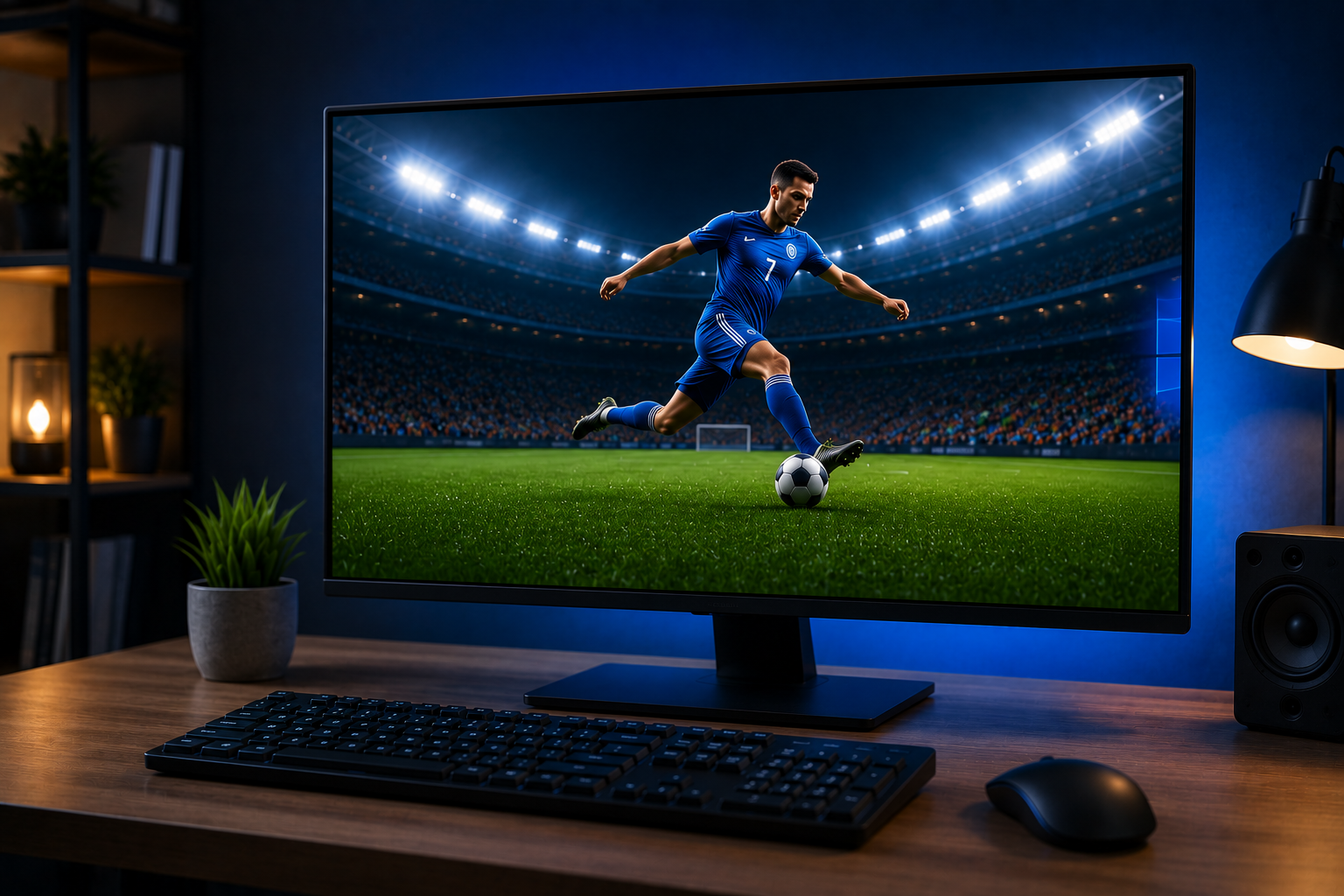
The phone can act as a second screen, while the main television remains focused on the primary program. For sports fans, for example, a smartphone might be used to follow statistics while a match plays on the larger display.
Tablets and Laptops Add Another Layer
Portable computers provide another option for viewers who do not want to use the main television.
A laptop can be useful for individual entertainment in a bedroom, study, or other part of the home. Tablets offer a more relaxed alternative for people who want a larger screen than a smartphone without using a full-size television.
This makes entertainment less dependent on one particular room.
Why Home Viewing Is Becoming More Personal
The idea of home viewing is evolving as people gain access to more screens. The home is still an important place for shared entertainment, but individual preferences now have a larger role.
Someone can watch a documentary in the living room while another person enjoys a different program on a compatible device elsewhere. This creates a balance between shared and individual entertainment.
The result is not necessarily less family interaction. Instead, households have more ways to decide when they want to watch together and when separate viewing makes more sense.
The Technical Side of Multi-Device Entertainment
Having several screens available is convenient, but it also creates technical considerations.
A household using multiple connected devices should pay attention to its internet connection. Several streams running simultaneously can put greater demands on the network than a single television.
Wi-Fi coverage is another consideration. A device located far from the router may experience weaker performance, even when the internet connection itself is fast enough.
For this reason, improving router placement or home network coverage can sometimes make a bigger difference than changing the television equipment.
Not Every Service Works the Same Way
Multi-device viewing also depends on the television service being used. Some platforms may support a wide range of devices, while others may have restrictions.
Before choosing a service, users should check:
- Compatible operating systems
- Supported smart TV models
- Number of supported devices
- Installation requirements
- Streaming quality
- Account limitations
Understanding these details beforehand can prevent compatibility problems later.
Multi-Device Viewing Can Change Family Routines
The impact goes beyond technology. Having several viewing options can change how households organize their evenings.
Families might reserve the main television for shared events such as sports matches or movie nights. Individual devices can then be used when household members have different interests.
This can make entertainment more flexible without requiring everyone to follow exactly the same schedule.
The Social Role of the Main Television
Despite the growth of personal screens, large televisions remain valuable for shared experiences.
Major sporting events, premieres, celebrations, and family movies are often more enjoyable when people watch them together. A large screen can create a social atmosphere that smaller personal devices cannot completely reproduce.
Multi-device viewing therefore complements traditional television rather than simply replacing it.
What the Future Could Look Like
Connected entertainment is likely to become even more integrated into everyday life. Devices will continue becoming easier to use, while home networks should become better equipped to handle multiple simultaneous connections.
The distinction between television, streaming platforms, and personal devices may also become less obvious. Instead of thinking about each screen separately, viewers may increasingly think about entertainment as one connected environment.
Conclusion
Multi-device viewing is becoming part of everyday television because households now have more screens, more individual preferences, and more flexible routines. Smartphones, tablets, laptops, and smart TVs can each serve different purposes without eliminating the value of shared viewing.
The key change is greater choice. Instead of relying on one screen for every situation, modern households can create an entertainment setup that works around the people using it.




 Arabic
 French
 Spanish
 Portuguese
 Deutsch
 Turkish
 Dutch
Dutch
 Italiano
 Russian
 Romaian
 Portuguese (Brazil)
 Greek
Greek
