


Alterations in NYC: A Complete Guide to Clothing Adjustments and Garment Fitting
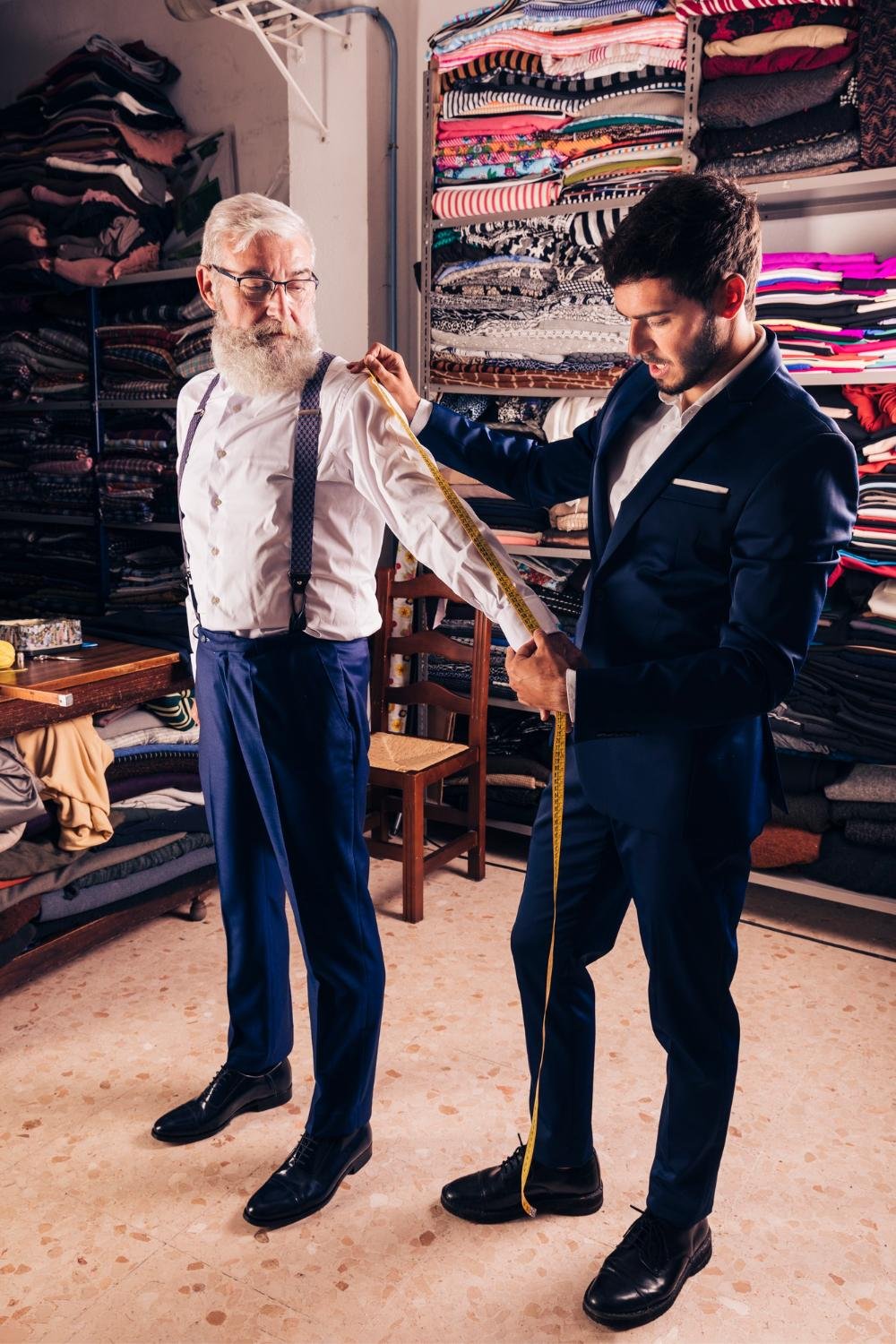
Clothing is an essential part of everyday life, providing comfort, functionality, and personal expression. However, finding ready-made garments that fit perfectly can sometimes be challenging. Differences in body measurements, clothing designs, and fabric types often result in fitting issues that require professional adjustments. Clothing alterations offer a practical solution by modifying existing garments to achieve a more suitable fit.
Alterations in NYC are an important part of everyday clothing care, particularly in a city known for its diverse lifestyles, professional environments, and changing fashion preferences. From simple trouser hemming to detailed jacket adjustments, alteration services address different garment requirements. Understanding the available techniques, fitting considerations, and factors affecting alterations can help individuals make informed decisions about their clothing.
Understanding Clothing Alterations in NYC
Clothing alterations involve modifying existing garments to improve their fit, comfort, and functionality. These adjustments can include shortening sleeves, changing garment lengths, adjusting waistlines, repairing seams, and modifying specific sections of clothing.
In New York City, people wear different types of clothing depending on their professions, daily activities, and personal preferences. Business attire, formal clothing, casual outfits, seasonal garments, and traditional clothing may all require occasional adjustments.
Standard clothing sizes also differ between manufacturers. As a result, a garment that fits well in one area may require modifications in another. Alterations help address these differences while maintaining the original design and structure of the clothing.
Common Types of Alterations in NYC
Different garments require specific alteration techniques depending on their construction, material, and intended use.
1. Trouser and Pant Alterations
Trouser alterations are among the most common clothing adjustments. They generally involve modifying the length, waistband, seat, or leg width.
Hemming helps achieve an appropriate trouser length based on footwear and personal preferences. Waist adjustments can address garments that feel too loose or tight, depending on the available seam allowance.
Other adjustments may include tapering the legs or modifying the overall shape to create more balanced proportions.
2. Dress and Skirt Alterations
Dresses and skirts often require changes to their length, waistline, hips, or overall structure.
Length adjustments can help garments sit at a preferred position, while waist and hip modifications may improve comfort and fit. Some garments include additional construction details, such as pleats, lining, decorative stitching, or layered fabrics.
These elements require careful handling to preserve the garment's original appearance during alterations.
3. Shirt and Blouse Alterations
Shirts and blouses may require sleeve shortening, side-seam adjustments, waist modifications, or changes to the overall length.
Shoulder fitting is another important consideration because it affects how clothing sits across the upper body. Depending on the garment's construction, shoulder adjustments may involve more detailed work than basic sleeve alterations.
4. Jacket and Coat Alterations
Jackets and coats generally have more complex structures than everyday garments. Their alterations may include sleeve adjustments, waist shaping, lining repairs, and length modifications.
Structured clothing often contains padding, interfacing, and internal stitching that help maintain its shape. These components must be considered during alterations to preserve the garment's original proportions.
5. Zipper, Button, and Seam Repairs
Closures and stitching contribute to the functionality of clothing. Damaged zippers, missing buttons, loose seams, and minor stitching problems can affect garment usability.
Repairing these components can help maintain existing clothing and extend its practical lifespan.
Why Proper Clothing Fit Is Important
Proper garment fitting contributes to comfort, appearance, and freedom of movement. Clothing that is excessively tight may restrict movement, while garments that are too loose may not provide the intended proportions.
Well-executed alterations can help clothing sit more naturally and improve its overall balance.
In NYC, many individuals manage busy schedules involving professional responsibilities, commuting, and social activities. Comfortable clothing can make everyday routines more convenient, particularly when garments are worn for extended periods.
Factors That Affect Clothing Alterations
Not every garment can undergo the same modifications. Several factors determine the type and complexity of alterations required.
- Fabric type: Cotton, wool, silk, linen, denim, and synthetic materials respond differently to stitching and structural changes.
- Garment construction: Existing seams, lining, internal stitching, and structural elements influence alteration possibilities.
- Seam allowance: Additional fabric within garment seams may allow certain sections to be expanded.
- Design details: Pockets, pleats, patterns, buttons, and decorative elements can make adjustments more complicated.
- Required modifications: Basic hemming generally requires less work than extensive structural changes to jackets or coats.
Understanding these factors helps establish realistic expectations regarding the final result.
The Importance of Accurate Measurements
Accurate measurements are essential for achieving suitable garment fitting. Even small measurement differences can affect the final appearance, especially around the shoulders, waist, hips, and sleeves.
Alteration assessments generally consider multiple measurements rather than relying on a single dimension. Garment movement, natural posture, and intended use may also influence the required adjustments.
For example, trouser length may depend on the footwear normally worn with the garment. Similarly, jacket adjustments should allow sufficient room for comfortable arm movement.
A proper fitting assessment helps identify necessary changes before permanent stitching modifications are completed.
How to Prepare Clothing for Alterations
Preparation can make the alteration process more straightforward. Garments should ideally be clean and presented in the condition in which they will normally be worn.
Individuals may also consider bringing the footwear commonly paired with the garment, particularly when adjusting trousers, skirts, and dresses.
Identifying specific fitting concerns beforehand can help communicate the required changes. Preferred garment lengths, sleeve measurements, and comfort requirements are useful details during the fitting assessment.
Clothing Alterations and Sustainable Fashion
Clothing alterations can support more responsible wardrobe management. Minor fitting problems do not always require replacing an entire garment.
Adjusting or repairing existing clothing may help extend its useful life and reduce unnecessary textile waste. This approach encourages individuals to consider garment maintenance as part of everyday clothing care.
However, the suitability of alterations depends on fabric condition, garment construction, and the extent of the required modifications.
Conclusion
Clothing alterations are an important aspect of maintaining a comfortable and functional wardrobe. From trouser hemming and dress adjustments to jacket modifications and basic repairs, different techniques address specific garment requirements.
For individuals researching alterations in NYC, understanding common alteration services, fabric characteristics, garment construction, and accurate measurements provides a useful foundation. Appropriate clothing adjustments can improve garment fit, maintain functionality, and support practical wardrobe management.
 Spanish
 English
 Arabic
 French
 Portuguese
 Deutsch
 Turkish
 Dutch
 Italiano
 Russian
 Romaian
 Portuguese (Brazil)
 Greek
