


The Airport's Nervous System: Deconstructing the Modern Airport Operations Market Platform
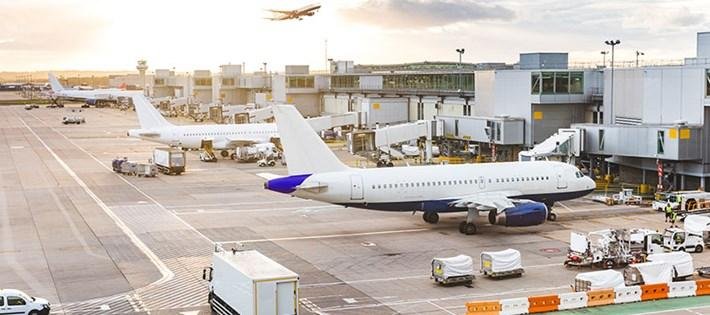
The complex and high-stakes environment of a modern airport is managed and orchestrated by a sophisticated and deeply integrated technology stack. The "platform" in the context of the Airport Operations Market Platform is not a single piece of software but a multi-layered "system of systems," a digital nervous system that connects and coordinates all the disparate activities on the airside and landside. The absolute heart of this architecture is the Airport Operational Database (AODB). The AODB is the central, real-time repository of all flight-related information for the entire airport. It stores the master flight schedule and is continuously updated with real-time information on every flight, including estimated and actual arrival/departure times, aircraft registration, gate assignments, and baggage carousel information. The AODB acts as the "single source of truth," and its data is the lifeblood that feeds almost every other operational system in the airport. Ensuring the accuracy, timeliness, and availability of the AODB data is the most critical function of the airport's IT infrastructure, as any error here can have a cascading effect on the entire operation.
Built on top of the AODB is the Airside Operations Management Layer. This suite of applications uses the data from the AODB to manage the complex choreography of the airfield. A key component is the Resource Management System (RMS). This system's job is to automate the allocation of the airport's critical, finite resources. It uses sophisticated algorithms to assign each arriving and departing flight to a specific gate or stand, a check-in counter, and a baggage claim carousel, all based on a set of complex rules and constraints (e.g., aircraft size, airline preference, connecting flight proximity). This layer also includes the Flight Information Display System (FIDS), which takes the real-time flight data from the AODB and displays it on the public screens throughout the terminal. Another critical component is the Ground Handling Management system, which helps to coordinate the activities of the ground handling staff and equipment, ensuring that every aircraft is turned around safely and efficiently. This entire layer is focused on optimizing the use of the airport's physical airside assets.
The third architectural pillar is the Landside Operations and Passenger Processing Layer. This layer focuses on the technology that facilitates the passenger's journey through the terminal. This includes the Common Use Passenger Processing System (CUPPS), which is a standardized platform that allows multiple airlines to share the same physical check-in desks and gates, using their own software on a common-use terminal. It also includes the systems for self-service check-in kiosks and automated bag drop units. A major and increasingly complex part of this layer is the Baggage Handling System (BHS). This is a massive, highly automated system of conveyors, sorters, and scanners that is controlled by a sophisticated software platform. The BHS control system must read the tag on every bag, know which flight it belongs to, and route it through a maze of conveyors to the correct baggage makeup area for loading onto the aircraft, all while performing security screening in parallel. The reliability and throughput of this BHS platform are critical for ensuring that bags make it to the right plane on time.
Finally, the entire architecture is moving towards a more collaborative and data-driven model, enabled by the Integration and Collaborative Decision Making (A-CDM) Layer. A-CDM is a concept and a platform that aims to break down the information silos between the key stakeholders at an airport: the airport operator, the airlines, the ground handlers, and air traffic control (ATC). The A-CDM platform provides a shared, real-time view of the operational status of every flight, allowing all parties to make more informed and coordinated decisions. For example, by sharing real-time information about a flight's de-icing progress, ATC can better plan the departure sequence, which can reduce runway queues and save fuel. This collaborative platform uses the data from the AODB and other systems to predict key milestones in an aircraft's turnaround process and to automatically alert stakeholders when a potential delay is detected. This shift towards a shared, data-rich operational picture is the key to unlocking the next level of efficiency and punctuality in airport operations.
Top Trending Reports:
 Italiano
 English
 Arabic
 French
 Spanish
 Portuguese
 Deutsch
 Turkish
 Dutch
Dutch
 Russian
 Romaian
 Portuguese (Brazil)
 Greek
Greek
