


A Guide to Choosing Strong and Stylish Metal Railings
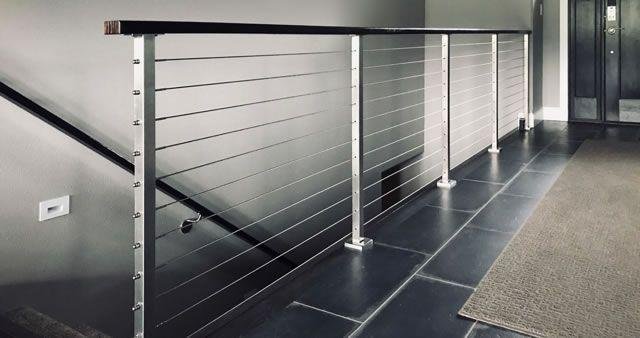
Exterior railings do more than define the edge of a balcony or elevated space. They provide an important safety barrier while also contributing to the architectural appearance of a property. Choosing the right design, material, and fabrication approach can help create a railing that fits the building and performs reliably over time.
Start With the Purpose of the Railing
Before selecting a design, consider how the railing will be used. A balcony railing may need to provide secure boundaries for residents, while a decorative installation may focus more heavily on complementing the property's architectural style.
The size of the balcony, location of the installation, expected use, and surrounding structure should all be considered during planning. A professional fabricator can evaluate these factors and help determine an appropriate configuration.
Explore Different Design Possibilities
Metal railings can be customized in many ways. Simple vertical bars can provide a clean appearance, while decorative elements can create a more traditional architectural look. Horizontal designs, curved sections, and combinations of different metal components can also produce distinctive results.
Homeowners and property managers can choose a style that complements existing doors, windows, balconies, stairs, and exterior finishes. Custom fabrication makes it easier to accommodate unusual dimensions or specific design preferences.
Consider Durability for Outdoor Use
Exterior metalwork is exposed to changing weather conditions, moisture, sunlight, and everyday use. Selecting a suitable material and protective finish is therefore important when planning a balcony installation.
Proper preparation and finishing can help protect metal surfaces from premature deterioration. Depending on the design and material, options such as appropriate coatings, paint systems, or corrosion-resistant metals may be considered.
Custom Fabrication Improves the Fit
Pre-made railing systems may not always suit older buildings, unusual balcony dimensions, or projects requiring a particular architectural appearance. Custom fabrication allows individual components to be measured and produced according to the needs of the installation.
Balcony Railings Bronx NY can be designed around the available space while considering attachment points, surrounding structures, height requirements, and the desired visual style. Careful measurements before fabrication can help minimize installation complications.
Pay Attention to Structural Details
A railing needs to be more than attractive. It should be securely connected to the supporting structure and appropriately designed for its intended use. The condition of the balcony itself should also be considered before installation.
Professional evaluation can help identify damaged concrete, weak attachment points, deteriorated metal, or other conditions that could affect the project. Addressing these concerns early can help create a stronger overall installation.
Match the Exterior Architecture
The best railing design usually works with the building rather than appearing disconnected from it. A modern property may suit clean lines and minimal detailing, while a traditional building may benefit from ornamental patterns or classic metalwork.
Color and finish are also important. A carefully selected finish can complement masonry, siding, windows, doors, and other exterior features while giving the railing a finished appearance.
Quality Fabrication Matters
Fabrication involves cutting, shaping, joining, and finishing individual metal components. Precision during each stage can influence how well the finished railing fits together and performs after installation.
Experienced Steel Fabrication Bronx NY professionals can create components based on project measurements and design requirements. Welding quality, accurate dimensions, surface preparation, and proper finishing all contribute to a more dependable finished product.
Think About Maintenance
Even durable outdoor railings benefit from regular inspection and maintenance. Property owners should periodically look for loose connections, damaged finishes, corrosion, cracks, or other visible changes.
Keeping surfaces clean can also help identify developing problems early. If damage is discovered, addressing it promptly may prevent a relatively small maintenance concern from becoming a more extensive repair.
Plan for Code and Installation Requirements
Balcony projects should account for applicable building and safety requirements. Height, spacing, attachment methods, materials, and other details may be subject to local regulations depending on the property and project.
Professional contractors can help homeowners understand which requirements apply and coordinate fabrication and installation accordingly. Reviewing these considerations before work begins can help prevent avoidable changes later.
Create a Long-Lasting Exterior Feature
A well-designed balcony railing can combine safety, durability, and visual appeal in one important architectural feature. Careful planning helps ensure that the railing suits the property while addressing practical requirements.
From initial measurements to material selection, fabrication, finishing, and installation, each stage contributes to the final result. Choosing a thoughtful design and relying on quality workmanship can help create exterior metalwork that remains useful and attractive for years.
 Spanish
 English
 Arabic
 French
 Portuguese
 Deutsch
 Turkish
 Dutch
 Italiano
 Russian
 Romaian
 Portuguese (Brazil)
 Greek
